
The long view of leadership
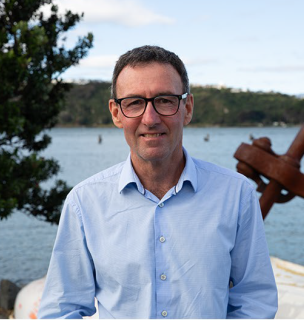
Leading through that scale of change is something Chief Electoral Officer and Chief Executive Karl Le Quesne thrives on. He leads in a system where trust, access, integrity and timeliness must be balanced every step of the way. He shares how his leadership journey has shaped how he navigates these priorities.
 Change is where learning happens
Before starting at the Electoral Commission, Karl’s career has included senior roles at Department of Internal Affairs, Ministry of Education and Department of Corrections. Across those roles, he’s found that the most valuable development opportunities have always come from leading change. He’s found managing established functions doesn’t stretch him in the same way as leading change.
Karl explains, “I've always sought out opportunities where there is change because that's where I think you learn the most. If you’re easily meeting milestones or KPI’s, that’s not going to stretch you.”
He also sees the value of stepping back and reflecting on how he leads.
“The other part is just investing a bit of time and standing back and considering how you're leading things, that can be development courses, mentoring or coaching, they are important as well.”
Support from other leaders has mattered too. Karl says managers and leaders around him encouraged him to take up opportunities and invested in his development. He sees that as an important part of leadership itself.
“I think a good mark of leadership is if you're always looking out for people who you think would make good leaders. Support and encourage them in taking that path up.”
Why culture and strategy are both important
One of his strongest leadership insights is that organisational culture and strategy need to work together. While they are often presented as competing priorities, Karl believes effective organisations need both.
He thinks a strong culture is not enough if an organisation misses its context or does not understand its future direction, as underlying issues are not addressed. Equally, strategy will not work if the culture is not right, people are not supported to develop, and teams do not have the tools they need.
He has been in organisations with strong positive aspects in their culture, but felt they didn’t have a clear enough picture of where they needed to go. Going into new roles, he saw his first leadership task as helping people understand the future vision and build on the strengths that already existed within the organisation.
“I've always sought out opportunities where there is change because that's where I think you learn the most. If you’re easily meeting milestones or KPI’s, that’s not going to stretch you.”
Balancing access, integrity and timeliness
The theme of balancing competing priorities is central to Karl's current role. At the heart of decision making is a balance between access, integrity, timeliness and trust. People need to be able to enrol and vote easily. Election results need to be timely and people need to trust and have confidence the system.
“You've got to focus on the 3.5 million people enrolled and the 3 million people who turn out to vote. It’s got to be a good experience for them and one that they can trust and understand and take part in as well”, says Karl.
Karl believes much of that trust is based on people’s past experience. Some people are ready for change and want it to move faster, while others do not want the system to change at all. His approach is to find a measured way forward that maintains public confidence while continuing to improve access and delivery.
He knows holding a long-term view is important to shaping how he plans for the future. Karl's focus extends beyond the next election to the one after that, recognising opportunities to introduce significant change comes only once every 3 years. He’s always reflecting on how context may have changed and what they may need to do to respond to that.
“You have one opportunity every three years to put some new things in place. So that longer term plan is really important.”
For Karl, leadership is rarely about choosing between competing priorities. Whether balancing access and integrity, culture and strategy, effective leadership comes from understanding how those tensions work together. It's an approach that has helped him lead change while maintaining trust in one of New Zealand's most important public institutions.
This interview featured in our August 2026 issue of our LDC newsletter. Previous interviews with senior public sector leaders include Colin Lynch, Sir Brian Roche, Ellen MacGregor-Reid and Gráinne Moss. Sent every two months, the LDC newsletter includes leadership development opportunities, resources and interviews with inspiring leaders. You can subscribe here.